Designing through Light, Mood and Movement

Updated: Apr 5
A philosophy shaped by experience, not just form

THE APPROACH
Design, for me, goes beyond creating visually appealing spaces. It is about shaping how a space is experienced—how it feels, flows, and responds to the user.
Rather than focusing only on materials or forms, the approach is driven by three core elements:
Light
Mood
Movement
These elements work together to define the identity of a space.
LIGHT AS A MEDIUM
Light is not treated as a secondary layer, but as a primary design tool.
Used to create depth, contrast, and focus
Controlled rather than excessive, allowing spaces to breathe
Highlights key elements while keeping the overall environment balanced
Enhances perception without overwhelming the user
Light becomes the medium through which the space is revealed.

MOOD OVER MATERIAL
A space is remembered for how it feels, not just how it looks.
Emphasis on atmosphere rather than overuse of materials
Balanced palettes to avoid visual fatigue
Contrast used to create intensity and calm within the same space
Design decisions driven by emotional response
The goal is to create environments that connect on a sensory level.

MOVEMENT & FLOW
A well-designed space should guide without instruction.
Layouts planned for intuitive circulation
Visual cues used instead of rigid partitions
Seamless transitions between different zones
Continuity maintained across the entire space
Movement shapes the experience just as much as the design itself.

THE INTENT
The aim is not just to design spaces, but to create experiences that feel natural, immersive, and timeless.
Every element works as part of a larger system
Simplicity is maintained without losing depth
Design evolves through interaction with the user
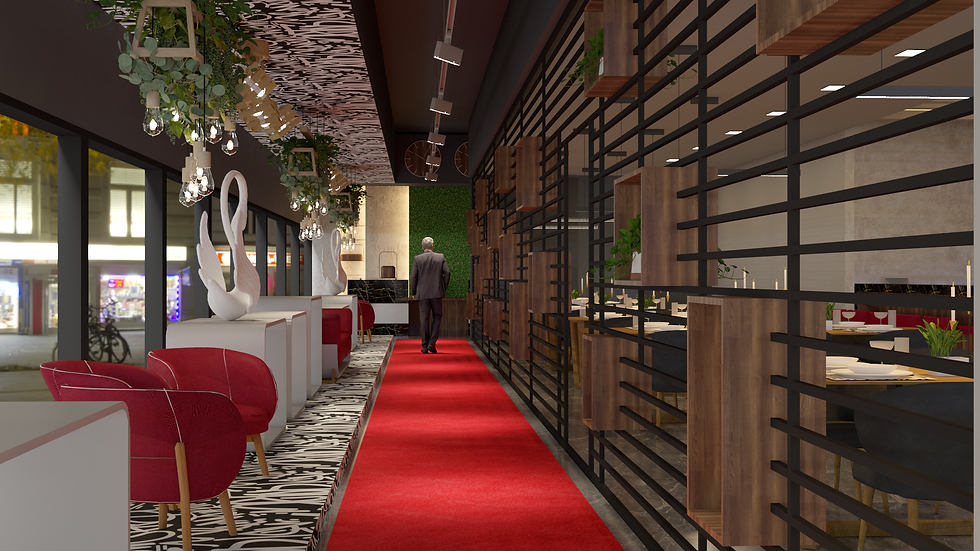
"Design is not just what you see—it’s what you feel, how you move, and how the space responds to you.”
--- Krishna Soni, Interior Designer

Comments